
Don’t have the app? Download it now!


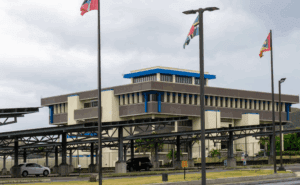
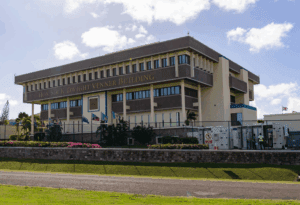
Eastern Caribbean Central Bank


About
The Eastern Caribbean Central Bank (ECCB) is a Monetary Authority in six sovereign states of the Caribbean. These include Antigua & Barbuda, the Commonwealth of Dominica, Grenada, Saint Christopher and Nevis, Saint Lucia, and Saint Vincent and the Grenadines, along with two oversees United Kingdom territories, Montserrat and Anguilla. The Eastern Caribbean Dollar (EC) was issued by the the bank's predecessor, ECCA, in 1965. On July 5, 1983, seven states, excluding Anguilla, signed the Agreement establishing the monetary authority of the ECCB. Later on, on April 1, 1987 Anguilla signed the Agreement and became a full member. The main role of the organization is to ensure monetary stability and to safe-guard the banking system of the Eastern Caribbean Central Bank and Currency Union (OECS/ECCU) in order to promote growth and development. This is done through issuing a single dollar currency, creating monetary policies for the Union, by a Centra Monetary Authority, cultivating a common pool of foreign exchange reserves, regulating the availability of money and credit, promoting credit and exchange conditions, and a sound financial structure, and lastly, to actively promote the bank through consistent means of its other objectives, which are economic development of the territories of the member states.